
The Ultimate Guide to Stabilised Binoculars
The Ultimate Guide to Stabilised Binoculars
Everything you need to know about image stabilisation, how it works, and why more birdwatchers, wildlife enthusiasts and outdoor adventurers are making the switch.
Whether you're watching birds from a hide, scanning distant hillsides for wildlife or enjoying breathtaking coastal scenery, a quality pair of binoculars can completely transform your experience. But there's one problem that almost everyone encounters: image shake.
Even the steadiest hands naturally move. The higher the magnification, the more noticeable this movement becomes, making it harder to focus on fine detail and reducing the overall viewing experience.
That's where stabilised binoculars make all the difference.
By actively compensating for natural hand movement, image stabilisation delivers a remarkably steady view without the need for a tripod. The result is a sharper image, improved comfort and the ability to observe for longer while seeing details you may never have noticed before.
In this guide, we'll explain how stabilised binoculars work, who they're designed for and why they've become one of the biggest innovations in premium optics.
What Are Stabilised Binoculars?
Stabilised binoculars are binoculars equipped with advanced technology that automatically reduces image shake caused by normal hand movement.
Unlike traditional binoculars, which rely entirely on the user holding them steady, stabilised binoculars actively compensate for movement. This creates a much steadier image, allowing you to enjoy clearer views and significantly more detail.
The difference can be remarkable, particularly when using higher magnifications. Even slight movements that normally make distant objects appear to jump around are greatly reduced, creating a viewing experience that's more comfortable, more immersive and far less tiring on your eyes.
While image stabilisation has long been used in professional cameras and camcorders, modern stabilised binoculars have brought the same technology into the world of premium optics, making them increasingly popular among birdwatchers, wildlife enthusiasts, marine users and travellers.
Why Does Image Shake Matter?
Many people assume that if they purchase high-quality binoculars they'll automatically enjoy crystal-clear views. While premium glass certainly makes a huge difference, image quality is only as good as your ability to hold the binoculars steady.
Every person experiences natural hand movement. It's completely normal. Unfortunately, binoculars magnify this movement along with the image itself.
For example, a small amount of hand movement while using 12x binoculars appears twelve times greater through the eyepieces. The higher the magnification, the more obvious this becomes.
This can make it surprisingly difficult to:
- Identify birds at long distances.
- Read fine feather detail.
- Observe wildlife for extended periods.
- Track moving animals.
- Enjoy higher magnification without frustration.
Many users don't realise how much detail they're actually losing until they experience image stabilisation for the first time.
How Do Stabilised Binoculars Work?
Although the technology is highly sophisticated, the concept is surprisingly simple.
Inside the binoculars are precision sensors that continuously detect tiny movements caused by your hands. As these movements occur, the stabilisation system instantly compensates by adjusting internal optical components to counteract the motion.
This happens hundreds of times every second, creating a stable image that feels remarkably smooth and natural.
The result isn't simply less movement—it allows your eyes to resolve significantly more detail because the image remains stable rather than constantly shifting.
Kite Optics uses advanced image stabilisation technology designed to provide exceptional stability while maintaining outstanding optical performance and portability.
The Benefits of Stabilised Binoculars
Sharper Images
Perhaps the biggest benefit is simply seeing more.
When image shake is reduced, your eyes can resolve finer detail. Birds become easier to identify, distant wildlife appears clearer and landscapes reveal features that would otherwise be hidden by constant movement.
Less Eye Fatigue
Your brain works surprisingly hard to compensate for a constantly moving image.
Stabilisation creates a more relaxed viewing experience that allows you to observe comfortably for much longer without feeling tired or strained.
Higher Magnification Without a Tripod
Traditional binoculars with higher magnification often become difficult to hold steady.
Image stabilisation allows higher-powered binoculars to remain practical for handheld use, giving you the ability to see more detail without carrying additional equipment.
More Comfortable Viewing
Instead of concentrating on keeping the binoculars steady, you can focus entirely on what you're observing.
This creates a far more enjoyable and immersive experience whether you're birdwatching, travelling or simply enjoying nature.
Who Are Stabilised Binoculars For?
Stabilised binoculars aren't just for professionals. They're ideal for anyone who values seeing more detail with less effort.
Birdwatchers
Birdwatchers often spend hours observing small subjects at considerable distances. Image stabilisation makes it easier to identify species, appreciate feather detail and follow birds through trees or across open landscapes.
Wildlife Enthusiasts
Animals rarely stay still for long. A stable image allows you to observe behaviour more comfortably while spotting details that can easily be missed with traditional binoculars.
Marine Users
On a moving boat, maintaining a steady view is almost impossible. Stabilised binoculars significantly reduce the combined movement of your hands and the vessel, making them an excellent choice for boating and coastal observation.
Travellers
Whether exploring national parks, enjoying scenic lookouts or visiting wildlife reserves, stabilised binoculars provide a premium viewing experience without needing bulky support equipment.
Sporting Events
Following the action becomes much easier when your view remains steady, particularly in large stadiums where subjects are often a considerable distance away.
Are Stabilised Binoculars Worth It?
This is one of the most common questions we hear.
The answer depends on how often you use binoculars and what you expect from them.
If you only use binoculars occasionally, traditional models remain an excellent option.
However, if you regularly observe birds, wildlife or distant scenery, stabilised binoculars provide a viewing experience that's difficult to go back from once you've tried them.
Many users comment that they hadn't realised how much image shake was affecting what they could actually see.
Rather than simply making the image more comfortable, stabilisation often allows you to notice details that were previously impossible to appreciate.
Why Choose Kite Optics?
Kite Optics has earned an international reputation for combining premium European optics with industry-leading image stabilisation technology.
Every product is designed to deliver outstanding optical clarity, exceptional reliability and effortless usability in the field.
Kite's stabilised binoculars are trusted by birdwatchers, wildlife enthusiasts and outdoor professionals who demand exceptional performance without compromise.
As the exclusive Australian distributor of Kite Optics, Hallbrand provides expert advice, local support and comprehensive warranty assistance, ensuring you receive the highest level of service before and after your purchase.
Choosing the Right Stabilised Binoculars
There isn't a single model that's perfect for everyone.
The right choice depends on how and where you plan to use your binoculars.
When comparing models, consider:
- Magnification
- Objective lens size
- Weight and portability
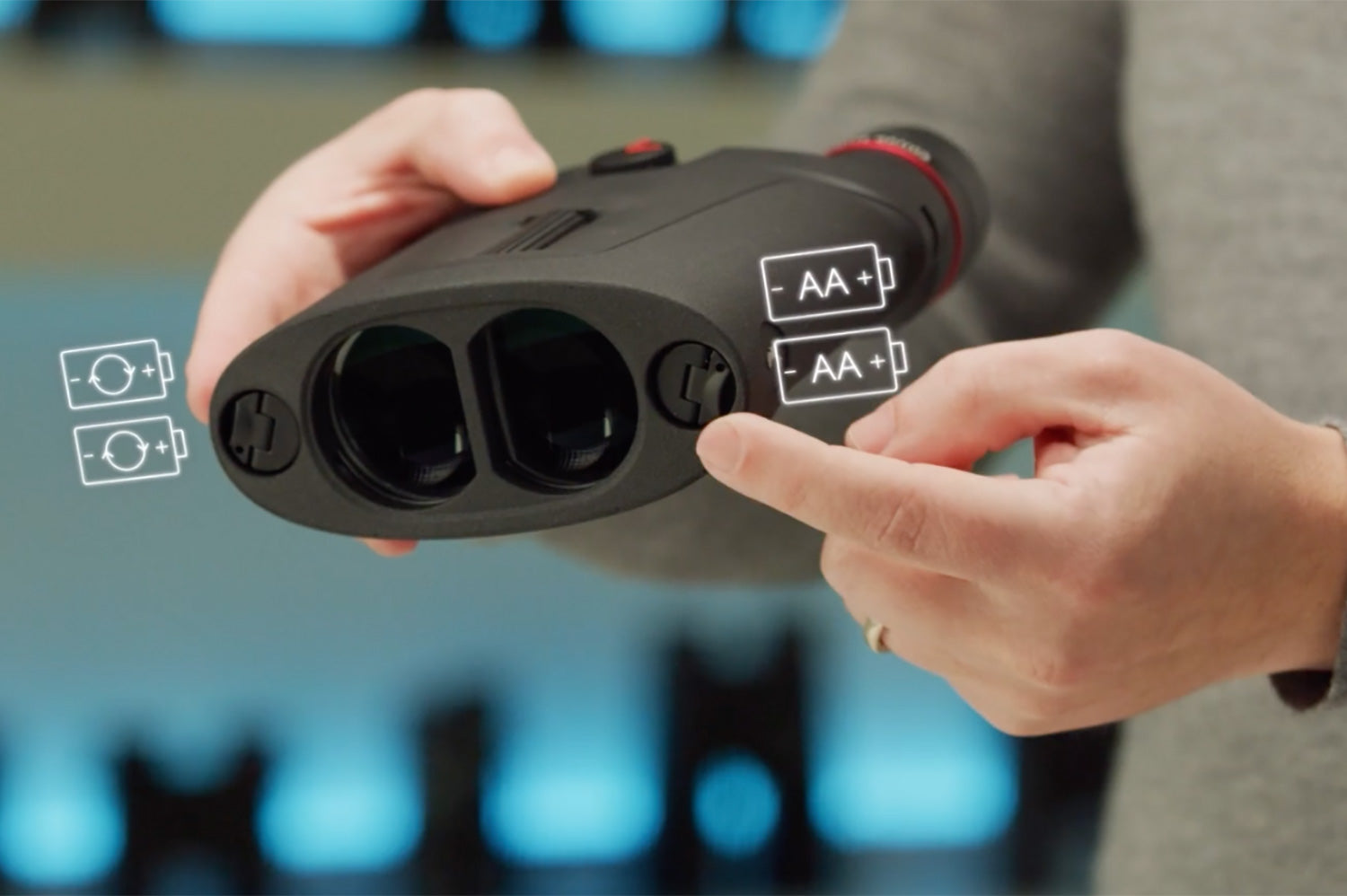
- Battery type
- Field of view
- Your primary activity, such as birdwatching, wildlife observation or marine use
If you're unsure which Kite Optics binoculars are best suited to your needs, our team is always happy to provide personalised advice.
Frequently Asked Questions
Do stabilised binoculars require batteries?
Yes. Image stabilisation systems require a power source to operate, although the binoculars can still be used as standard binoculars if the stabilisation is switched off or the batteries need replacing. Battery life varies depending on the model and usage, with Kite Optics products designed to provide long operating times for extended use in the field.
Can I use stabilised binoculars without a tripod?
Absolutely. One of the biggest advantages of image stabilisation is that it allows you to enjoy higher magnifications without carrying a tripod. While a tripod can still be useful for prolonged stationary viewing, most users find stabilised binoculars provide exceptional handheld performance.
Are stabilised binoculars heavier than traditional binoculars?
Because they contain advanced stabilisation technology, stabilised binoculars are generally slightly heavier than equivalent traditional models. However, modern designs are engineered to remain comfortable for extended handheld use, and many users find the improved viewing experience far outweighs the small increase in weight.
Are stabilised binoculars worth the investment?
If you regularly birdwatch, observe wildlife or spend time outdoors using binoculars, many users believe the answer is yes. Image stabilisation makes it easier to see fine detail, reduces eye fatigue and creates a much more enjoyable viewing experience. Once people experience the difference, it's often difficult to return to traditional binoculars.
Experience the Difference for Yourself
Once you've experienced the clarity and comfort of stabilised binoculars, it's easy to understand why so many outdoor enthusiasts choose them over traditional optics.
Whether you're watching birds, observing wildlife or simply enjoying Australia's incredible landscapes, Kite Optics delivers an exceptionally stable viewing experience that helps you see more of what matters.
Continue Exploring Our Buyer's Guides
Choosing the right optics is an investment, and we're here to help you make an informed decision. Browse our complete collection of buyer's guides for expert advice, product comparisons and practical tips to help you get the most from your Kite Optics.

Authorised Australian Distributor
Local advice and personalised support from Australia’s exclusive Kite Optics distributor.

Genuine Kite Products
Every purchase is backed by Australia’s official Kite Optics distributor.