
Stabilised vs Traditional Binoculars: Are They Worth It?
Stabilised vs Traditional Binoculars: Are They Worth It?
Wondering whether stabilised binoculars are worth the extra investment? In this guide, we compare traditional and image stabilised binoculars to help you decide which is best for your needs.
For decades, traditional binoculars have been the go-to choice for birdwatchers, wildlife enthusiasts and outdoor adventurers. They're simple, reliable and available in a wide range of sizes and magnifications.
However, advances in image stabilisation technology have changed what's possible. Stabilised binoculars are becoming increasingly popular because they offer a noticeably steadier image, allowing users to see more detail without needing a tripod.
So, which option is right for you?
In this guide, we'll compare stabilised and traditional binoculars across the areas that matter most, helping you choose the best option for the way you enjoy the outdoors.
How Traditional Binoculars Work
Traditional binoculars rely entirely on optical quality and the steadiness of the person using them. While premium lenses and coatings produce excellent image quality, they can't eliminate the natural movement of your hands.
This isn't usually a problem at lower magnifications. However, as magnification increases, so does visible image shake.
For many users, this becomes the biggest limitation when trying to observe distant wildlife or identify birds in fine detail.
How Stabilised Binoculars Are Different
Stabilised binoculars use advanced technology to actively compensate for natural hand movement. Tiny sensors detect movement and instantly adjust internal optical components, creating a much steadier image.
The result is a viewing experience that feels calmer, sharper and significantly easier on your eyes, particularly during longer observation sessions.
If you're new to stabilised binoculars, our Ultimate Guide to Stabilised Binoculars explains exactly how the technology works.
Image Quality
Both traditional and stabilised binoculars can offer exceptional optical quality, particularly when manufactured using premium glass and coatings.
The difference is that stabilised binoculars allow you to enjoy more of that optical performance by reducing image shake.
Many users are surprised to discover just how much extra detail becomes visible once the image is stabilised.
Ease of Use
Traditional binoculars are lightweight, straightforward and require no batteries.
Stabilised binoculars add electronic image stabilisation, making them slightly heavier, but also much easier to use at higher magnifications.
Instead of concentrating on holding the binoculars perfectly still, you can simply focus on what you're observing.
Magnification
Higher magnification sounds appealing, but it comes with a downside.
As magnification increases, every small movement of your hands becomes more noticeable.
This is why many people find 12x binoculars difficult to hold steady for extended periods.
Image stabilisation makes these higher magnifications far more practical, allowing you to enjoy the additional detail without constantly fighting image shake.
Comfort During Extended Viewing
If you regularly spend long periods birdwatching or observing wildlife, comfort becomes an important consideration.
A constantly moving image forces your eyes and brain to work harder.
By creating a stable image, stabilised binoculars reduce eye fatigue and make longer viewing sessions far more enjoyable.
Birdwatching
For birdwatchers, image stabilisation can make a significant difference.
Fine feather detail becomes easier to see, identifying distant species is more comfortable and tracking birds through trees or across open landscapes becomes much less tiring.
This is one of the reasons stabilised binoculars have become increasingly popular within the birdwatching community.
Wildlife Observation
Wildlife rarely stays still for long.
A stable image allows you to observe animals more comfortably while appreciating behaviour and detail that can often be missed through a constantly moving view.
Marine Use
Boats introduce constant movement that makes traditional binoculars difficult to use.
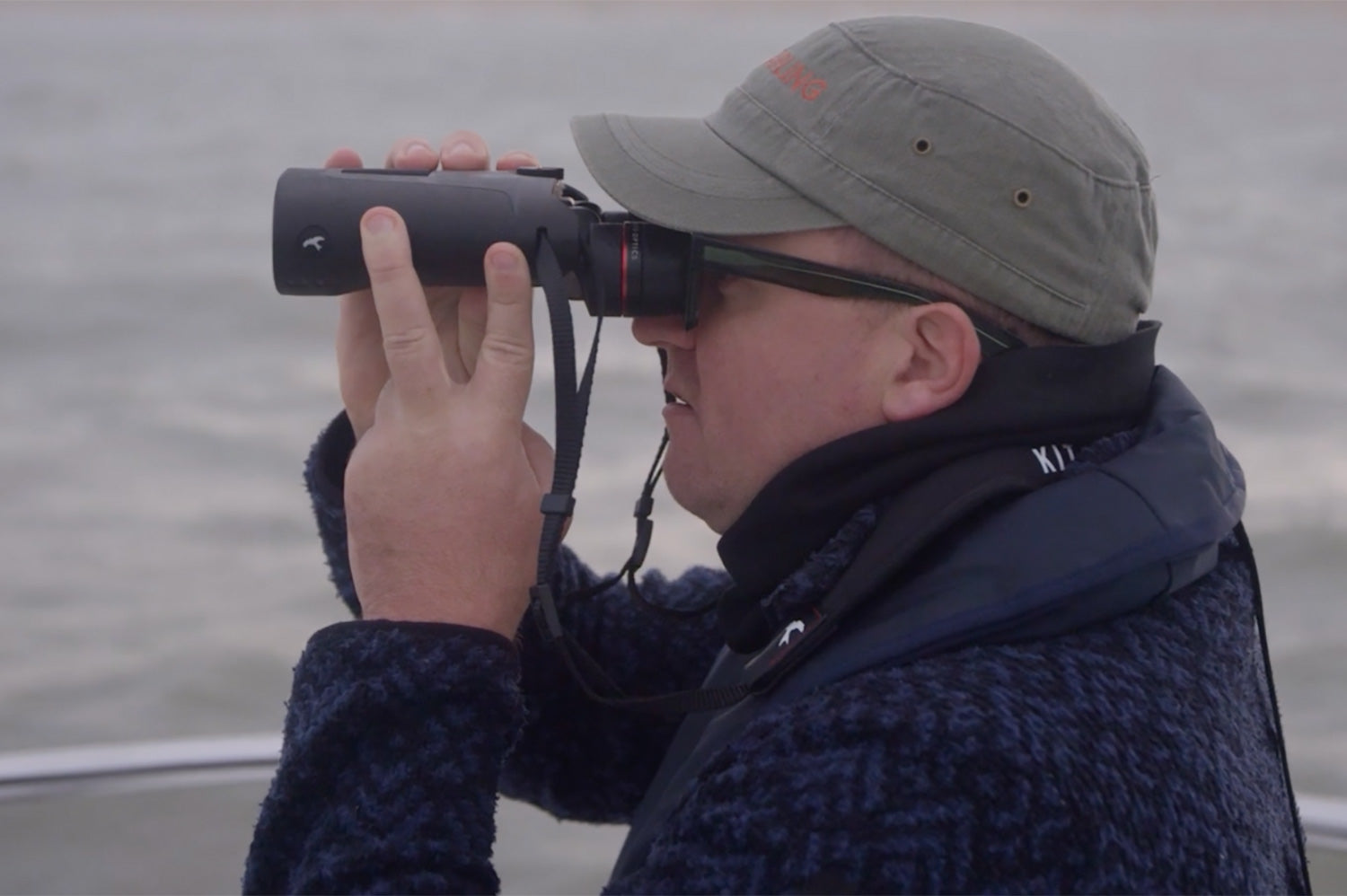
Stabilised binoculars help counteract both your own hand movement and the motion of the vessel, making them an excellent choice for boating, coastal observation and whale watching.
Pros and Cons
Traditional Binoculars
- Generally lighter in weight.
- No batteries required.
- Excellent value across all budgets.
- Ideal for casual or occasional use.
Stabilised Binoculars
- Remarkably steady image.
- Greater visible detail.
- Reduced eye fatigue.
- Higher magnifications become practical without a tripod.
- Outstanding for birdwatching, wildlife and marine use.
Which Should You Choose?
Traditional binoculars remain an excellent choice for many outdoor enthusiasts and continue to offer outstanding optical performance.
However, if you regularly spend time birdwatching, observing wildlife or using higher magnifications, stabilised binoculars offer a viewing experience that's difficult to match.
By reducing image shake, they allow you to enjoy the full performance of the optics while making extended viewing sessions more comfortable and enjoyable.
Discover the Kite Optics Difference
Kite Optics combines premium European optics with advanced image stabilisation technology to deliver exceptional clarity and comfort in the field.
As the exclusive Australian distributor of Kite Optics, Hallbrand is here to help you choose the right model for your needs.
Continue Exploring Our Buyer's Guides
Choosing the right optics is an investment, and we're here to help you make an informed decision. Browse our complete collection of buyer's guides for expert advice, product comparisons and practical tips to help you get the most from your Kite Optics.

Authorised Australian Distributor
Local advice and personalised support from Australia’s exclusive Kite Optics distributor.

Genuine Kite Products
Every purchase is backed by Australia’s official Kite Optics distributor.